



Intro to Earning
Taxes for the Self-Employed
OK, but what about independent contractors and self-employed people? Who pays the employer portion of Social Security and Medicare taxes?
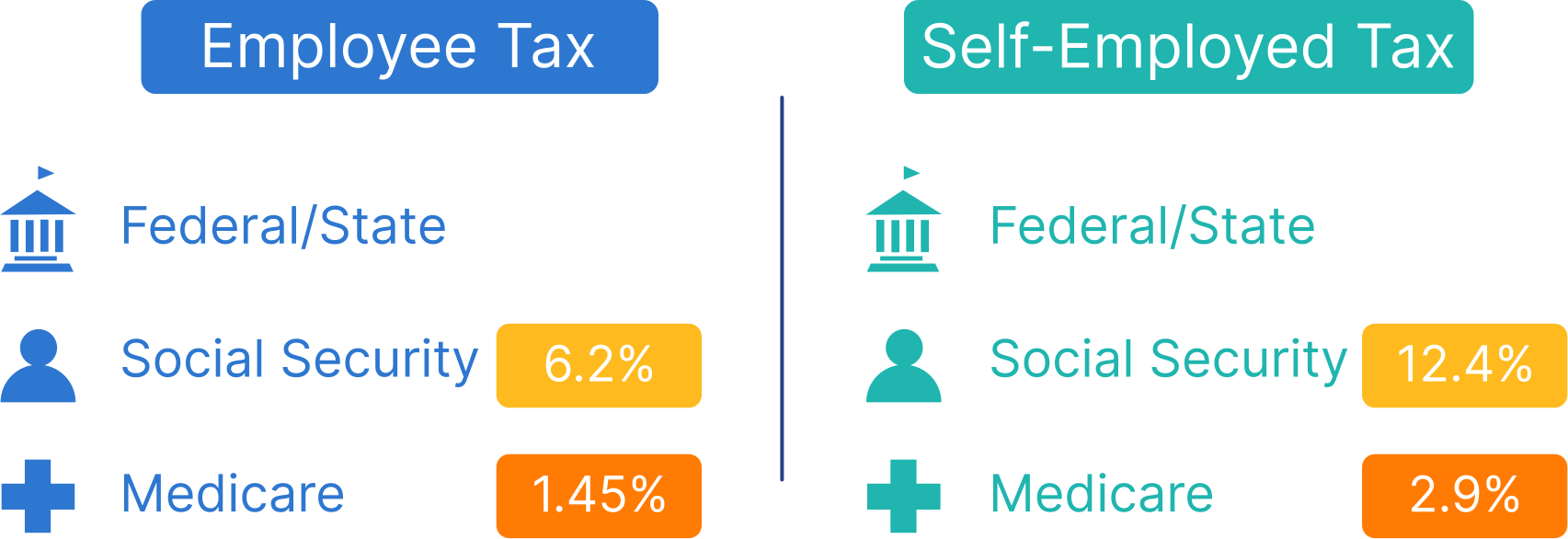
This is an excellent question! People who are independent contractors or self-employed must pay both the employee and employer taxes for Social Security and Medicare. That means a self-employed person pays the full 12.4 percent Social Security tax, and 2.9 percent Medicare tax.
But what if I don’t have an employer because I work for myself?
Unfortunately, when you work for yourself you are responsible for paying the entire Social Security and Medicare tax. Add it up, and these “self-employment taxes,” amount to approximately 15 percent of your income.
Wow! Is there anything else I need to know about how being self-employed affects my paycheck?
Working for yourself can be great, but it means you don’t get a paycheck from someone else. And that means that instead of having your federal, state, Social Security, and Medicare taxes—which together are known as payroll taxes—taken out of your check, you’ll have to make those payments directly to the government.
What’s the big deal with that? I already have to file taxes every year anyway.
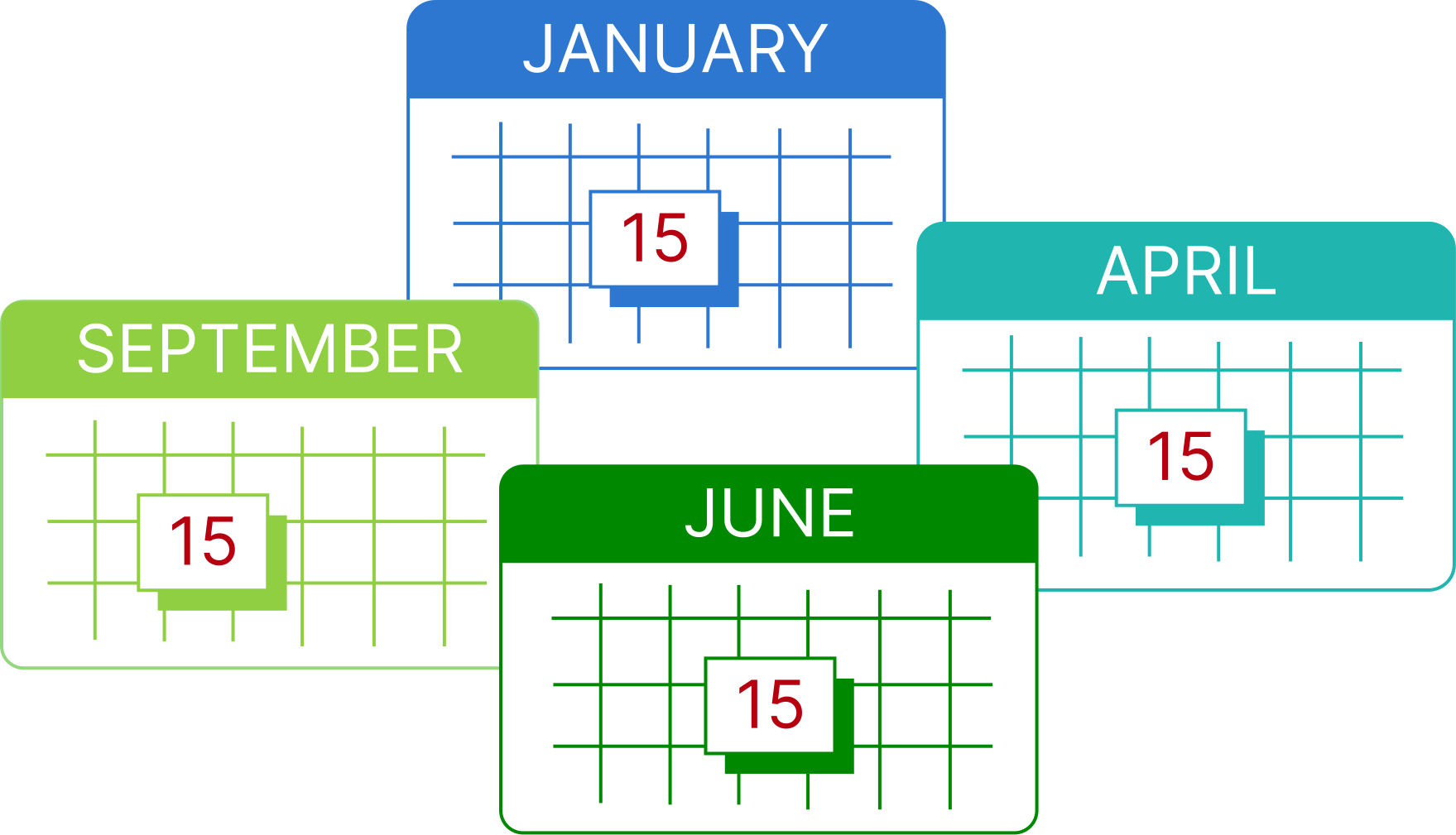
This gets a little complicated, so pay attention: Because self-employed people often see their income vary from month to month, the government requires them to pay taxes based on the amount of money they expect to earn each quarter.
Wait…you mean every three months?
That’s right. Most people who are self-employed actually have to pay taxes four times a year.
Wow, that sounds like a lot of extra time and effort.
It is! And it’s also something that can lead to financial trouble for self-employed people who either underestimate the taxes they’ll have to pay, or fail to set aside enough of their earnings to pay the taxes due. Both of these can result in stiff penalties and interest charges. Again, working for yourself can be great. Just be careful and thorough when planning for your tax obligations.